|
ايرا
ن و يا پرشيا
)) برای پارسی پایین همين برگ را
نگاه کنيد))
In Avesta the ancient document and the most historic book of Iran
the term "a-eer-ya-nemva-ee-jo" used to describe the land of the
Aeers'. The terrain and plateau, which the Indo-European (Iranian)
first settled
The term "Aeer" later was changed to
"Ar", "Er" or "Ir"
, the Avesta uses the term synonym to
NOBLE. Noble means AzAdeh in today's Parsi (Persian Language).
"Arian (Arien)" or "Aryan" was race of people who
settled in the plateau of Iran. Nothing much is known of the history
of Parthian" which they have settled in north east part of the
plateau of Iran.
Parthia while it was part of a satrapy of
the Achaemenian Empire joined to Hyrcania (present Gorgan, Iran) the
two remained together as a province of the Seleucid kingdom.
Parthian (247 BC-ad 224) established a
powerful empire during which dominated Roman many times. Finally,
the new dynasty of the Sasanians, under the leadership of Ardashir I
(reigned 224-241), overthrew the Parthian princes, ending the
history of Parthia.
Both Aryan and Parthian races have settled
in different parts of Ancient
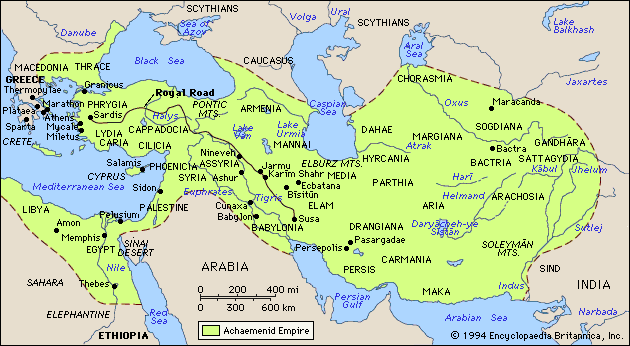
Iranian Empire stretched between Gang River in India to the
north part of Egypt, including part or whole Pakistan, Afghanistan,
Bahrain, Syria, Iraq, Kuwait, Jordan, Israel, Turkey, Lebanon of
today. All this was Part of Achaemenids Empire.
In much of today's World Wide Web, and literature, the terms Persia
and Iran have often been used interchangeably to refer to a vast
geographic area that has extended from India to Mediterranean. These
two designations refer to quite different geographic, political and
cultural entities.
Persia is derived from the word Pars, or Persis,
Parse (Parsseh in prononciation) as it was known
to the ancient Greeks, and has a narrow and specific connotation.
It refers to a mountainous region to the northwest of the Persian
Gulf, where the city of Shiraz and province of Pars (Present Iran)
and the Achaemenids palace, Persepolis, are situated.
However the etymology of the word Iran is Aryan and refers to the
Indo-European people and language, which spread throughout a region,
connoting a much larger geographic and cultural domain. Although back then Iranians didn't call
their land Iran; there are many stone carved documents that Iranians,
including Kings or Achamenid Dynasty called themselves "Aer" "Er" identified themselves by their Iranian tribal
affiliation with the Aryans on top of hierarchy; although Iran always been known "Iran" the first time on
record we have Iranians calling the country Iran is under Sasanians
when Ardeshir I called the land "Eranshahr", (Iran-Shahr= Land or city of Iranians) but since that time which was early 3rd century
the term Iran has been in use since the Achaemenids period (550- 331 B.C.).
For some period in the history Europians referred to Iranian, "Persian" because ancient
Greeks were referring to the city of Parseh, Persepolis rather than entire
Empire. That ID was expressed so often that in 1925, Reza Shah the great (Pahlavi I) finally set the record straight cause he was an Iranian king; not a
non-Iranian Persianized king.
Although the use of Persia as the designation for the country is less current, it is still used in its adjectival form, that is Persian to
refer to language and culture. Therefore using term "Persia" referring to the Ancient and/or today Iran not historically nor
geographically would be correct.
Using term Persia or Persian it corresponds to the small part of
Empire of Iran. This word may help to describe a certain kind of
product or species such as Persian Rug or Persian Cat, but certainly
would be insufficient and unprofessional to name Iran, anything less
than "Iran".
The epic of Kings (Shahnameh) mentioned Iran 720 times, Irani and Iranians 350
times, therefore the name Iran have irrelevant connection to certain individuals or dynasty.
Therefore it is highly recommended to use "Iran" term when is
referred to the History of Iran, Land and its People.
((ايـــــــــران و يا پرشيا))
آریاها در پی سرمای واپسین یخبندان از سرزمینهای روسیه بسوی نیمروز یا
(جنوب) کوچ کردند. امروز این کوچوران را «هند و اروپایی» می نامند. این
ها در میانه راه در دو گروه از هم سوا شدند، گروهی رهسپار اروپا و گروه
دیگر راه نیمروز (جنوب) را پیش گرفتند. پس از اندک زمانی این دسته نیز
در دو گروه دیگر از هم جدا شدند گروهی از کوه های هندوکش گذشتند و در
کنار رود سند خانمان ساختند که امروزه آنان را بنام هندیان می شناسیم،
وگروه دیگر در کرانه های دو رود سیحون و جیحون و سرزمینهای خوارزم و
خیوه و هرات در خاور دریای مازندران و شمال افغانستان و خراسان امروزی
.ماندگار و آنجا را «ائرینه وئجه» یا (ایران ویج) نامیدند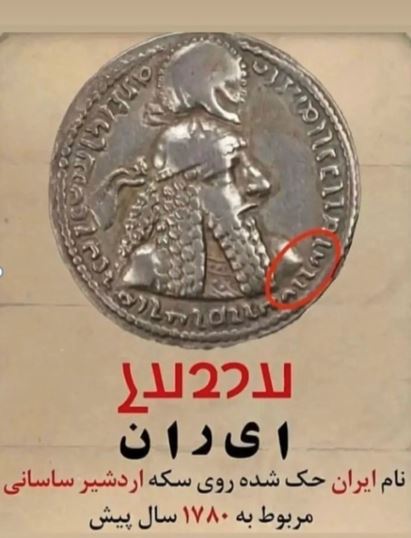
واژهٔ ایران در پارسی باستان «آئیریانا» و در پارسی میانه به شکل «اِران» بوده، و به معنای «سرزمین مردمان نژاده و نجیب» است. کردها هنوز ایران را با همان نام کهن «اِران» تلفظ می کنند.
واژهٔ «آریا» در زبانهای اوستایی، پارسی باستان و سنسکریت به ترتیب به شکلهای «اَیریَه»، «آریَه» و «آریه» به کار رفته است.
همچنین در زبان سانسکریت «اَریَه» به معنی سَروَر و مهتر و «آریاکَه» به معنی مَردِ شایستهٔ بزرگداشت است و آریایی به زبان اوستایی «اَئیریان» و به زبان پهلوی و پارسی دری «ایر» خوانده میشود. ایر یعنی «نجیب» و جمع آن «ایران»
به معنی «نجیبان» است. این واژه در اوستا به گونه
«ایران ویج» نیز آمده است
نام ایران به معنی «سرزمین نجیبان» است و مدتها پیش از اسلام نیز نام بومی آن ایران، اِران، یا ایرانشهر بود.
از ۶۰۰ سال پیش از میلاد تا ۱۳۱۴ (۱۹۳۵) در میان اروپاییان با نام «پرشیا» که همان «پارس» پايتخت دوره هخامنشی است شناخته میشد که در سال ۱۳۱۴ در شرف تأسیس لیگ ملل با درخواست رسمی رضاشاه پهلوی همان نام بومی کشور (ایران) نامیدند.
در شاهنامه فردوسی 720 بار نام «ايران» و 350 بار نام «ايرانی» «ايرانيان» آمده است.
«ويكاندر»
Wikander
(ايرانشناس برجستة
سوئدی) معتقد است كه: «آگاهی ملی در ايران از زمان اشكانيان آغاز گرديده واز همين
زمان، درفش كاويانی درفش ملی، و نام ايران، نام رسمی اين سرزمين شده است»
در باره جايگزينی واژه
پرشيا, بجای ايران وبکاربردن نام ايران, بجای پرشيا, دلائل فراوانی وجود دارد.
جايگزينی واژه پرشيا به جای
ايران نماينده تمدن وفرهنگ وافتخاراتی که مارا دربرابر بيگانگان سربلند وسرفراز
نشان بدهد نيست. به ويژه اينکه بکاربردن نام پرشيا مارا از برخی از اين امتياز ها محروم
ميسازد.
1 – 98 درصد مردم کشور های
ديگر نميدانند پرشيا کجا است. در نقشه های جغرافیا همچنين کشوری مشخص نشده است.
2 – پرشيا تلفظ نادرستی
ازنام پارس است که مورخان يونانی به غلط, کشوربزرگ ايران را به نام يکی از استانهای
آن (پارس) ناميده اند واين اشتباه حدود دوهزاروپا نصد سال بين اروپائيان رايج بوده
است. آيا اين اشتباه تاريخی بايستی تا ابد ادامه يابد؟
3 – اصولا چرا بايدما
بخاطربيگانگان ازنام پرافتخار
"ايران" که در جای جای تاريخ و نگاره های سنگی به ثبت
رسيده چشم پوشی کنيم وزيرنامی غلط که دشمنان, ماراشناخته اند خودرا پنهان سازيم؟
بيگانگانی که درطی دوهزار و پانصدسال ايران را پرس يا پرشيا يا پرزيا ناميده اند
قسمتی ازخاک مارا تصرف و انواع اهانتها را بما روا داشته اند؟ آيا اين خاور شناسان
اروپائی نبوده اند که دانشمندان ما را عرب معرفی کرده اند؟
4 – خوشبختانه درنتيجه
تبليغات چند دهه اخيروحوادث گوناگونی که در کشورما رويداده نام ايران دراذهان مردم
جهان جا افتاده وحتی درلغتنامه ها وفرهنگ های بيگانه نيزبعداز واژه ايران درپرانتز
نام پرشيا وياپرس راگذاشته اندوبرعکس نيزدرجلو نام پرشيا, ايران رانامبرده اند.
5 – اينکه ادعاشده که
کشورهای ديگرنيزدارای دونام هستند مثل آلمان ومصر و سوئيس و دليلی نيست که
مانيزدونام داشته باشيم بويژه آنکه ايران نامی کهن است که ديرينگی آن به سه هزار
وهفتصدسال پيش ميرسد ودراوستا نيزبصورت ((ای ران واج ئو)) يا ايرانويچ از آن نام
برده شده است. آيا بهترنيست که اين نام پرافتخار رانگهداری وبه جهانيان بشناسائيم؟
6 – نام ايران نام همه گير و همگانی است
که شامل استانهای گوناگون ميشود واگرافتخاراتی برای کشورما وجوددارد, کليه تبار های ايران
واستانهای کشوردرآن سهيم بوده وسزاوار نيست که نام يک استان (پارس) رابه کشوربزرگ
ايران اطلاق کنيم درحاليکه نام مردم ايران مثل آذربايجانيها و –خراسانيها
وخوزستانيها و..... درآفرينش تمدن وافتخارات سهيم بوده اندو اينکار بويژه بجنجال
ترک وفارس دامن می زند.
7 – همه ميدانيم که اشکانيان
حدود پانسد سال وساسانيان حدود چهار سد وسی سال درايران فرمانروائی کرده وبرای
ايرانيان افتخارات بزرگی کسب نموده اند. ساسانيان که خود اهل فارس بوده اند در تمام
سنگ نبشته های خوداز کشورايران و انيران (غيرايران) نام برده اند وحتی کوروش بزرگ
نيز دراعلاميه معروف خود, خود را شاه انشان يا انزان ناميده است. برای نخستين بار در تاريخ اردشير ساسانی کشورش را «ايرانشهر» می نامد ما امروز افتخار می کنيم که ايرانی هستيم از شهر آزادگان.
8 – اما موضوع تشابه نام
ايران وعراق نبايد مارا از نام اصلی وپرافتخارايران محروم سازد ازطرفی ميدانيم که
عراق درگذشته قسمتی ازخاک ايران بوده است و واژه عراق صورت عربی اراک است که
باواژه ايران پيوند ديرينه دارد.
9 – استناد به کتاب هائی که
به غلط و از روی غرض جايگزينی پرشيا با ايران را تشويق می کنند بدون مطالعه اشتباه
است.
10 – امروزه خريداران فرش
ايرانی هم فرش را با نام های ايرانی نائين، تبريز، هريس، کرمان و....می شناسند.
کسادی بازار فرش ايران ناشی ازسياست اقتصادی نادرست جمهوری اسلامی بوده است.
11 – درمورد واژه زبان پارسی
(فارسی) که بجای پرشيان بکار ميرود, نبايست تعصب بخرج داد زبان ما پارسی
است, چرا بايد ازبکاربردن اين نام ازطرف ديگران دلگيرشويم و واژه نادرست پرشين رابآن ترجيح دهيم. در اصل زبان ايران پارسی دری است. زبان دری ويا پارسی دری,
درخراسان بزرگ رواج داشته ودراين استان پرورش وتکامل يافته است وقديمی ترين
شاعران وگويندگان اين زبان درآن استان ظهورنموده وپيشگام شاعران وگويندگان
بعدی بوده ا ند. ناصرخسروشاعردا نشمندبزرگ چنين سروده:
من آنم که درپای خوکان نريزم
مراين پربها لفظ دٌرُ دری را
وخواجه حافظ شيرازی نيز
فرموده:
زشعردلکش حافظ کسی بودآگاه
که لطف طبع وسخن گفتن دری داند
بعد
از حملة اعراب و استقرار اسلام، خود آگاهی ملی، اساساً از طريق حفظ
و رواج
زبان پارسی، تداوم يافت.
در فروردین سال 1314 خورشیدی طبق بخشنامه وزارت امور خارجه و تقاضای دولت وقت، نام رسمی ایران (به جای پرس ، پرشیا و غیره) برای کشور ما انتخاب شد. در مغرب زمین از قرون وسطی، ایران به نام هایی از قبیل : پرس (فرانسوی)، پرشیا (انگلیسی)، پرسیس (یونانی) نامیده شده است. اسمی که امر وز" ایران " گفته می شود بیش از 600 سال پیش " اران " Aran تلفظ می شد.
سعید نفیسی در دی ماه 1313 نام "ایران" را به جای "پرشیا" پیشنهاد کرد
که بافوريت با استقبال رضا شاه بزرگ روبرو شد. این نامگذاری در آغاز
مخالفانی نیز داشت و براین باور بودند که در "پرشیا" فرهنگ و تمدنی
نهفته است که نمی توان آن را حذف کرد و شناخته شده و بین المللی نیز
است؛ اما حامیان نامگذاری وبازگشت به نام اصلی ایران، اعتقاد داشتند که
واژه ایران بسیار کهن و بر اقتدار سیاسی کشور می افزاید واژه "ایران"
بسیار کهن و قبل از آمدن آریایی ها به سرزمین مان اطلاق می شد و نامی
تازه و ساخته و پرداخته نیست. پروفسور آرتور اپهام پوپ (1969 – 1881
میلادی) ایران شناس مشهور آمریکایی در کتاب "شاهکارهای هنر ایران" که
در سال 1338 توسط دکتر پرویز خانلری به زبان فارسی ترجمه شده است، می
نویسد: «واژه ایران به فلات و توابع جغرافیایی آن حتی در هزاره پیش از
آمدن آریاییان نیز اطلاق می شود»
واژه "ایران" از دو قسمت ترکیب شده است؛ قسمت اول به معنی اصیل، نجیب، آزاده و شریف است. قسمت دوم به معنی سرزمین یا جا و مکان است .
در شاهنامه فردوسی بارها واژه "ایران" به کار رفته است. وبرخلاف نوشته احسان يارشاطر فردوسی که هزار و اندی سال پيش از هيتلر زندگی میکرد دستوری از رهبر آلمان نازی نگرفته بود. شاهنامه ده ها بار ترکیباتی نظیر: بزرگان ایران، بر و بوم ایران، ایران و توران، ایران و روم، ایران زمین، شهر ایران، ایران و انیران و نیز بیش از 350 بار " تایرانی و ایرانیان .
را بکار برده است.
معنی واژه "ایران" سرزمین آزادگان است. فردوسی در شاهنامه در باره خوی آزادگان (ایرانیان) چنین می سراید
تو با دشمن ار خوب گفتی رواست از آزادگان خوب گفتن سزاست
دکتر محمد معین (1293 – 1350) ادیب و سخنور نامی ایران در خصوص ریشه واژه ایران می نویسد: «اصل و ریشه
Aria (Arya) هر چه باشد، این قدر واضح است که این کلمه به تداعی معانی بسیار را به خاطر می آورد. مللی که متعلق به بخش خاوری هند و اروپائیان بودند، خود را بدین نام مفتخر می دانستند. آرین Aryan از واژه آریا Arya مشتق است. اجداد مشترک ملل هند و ایران خود را بدان نام معرفی می کردند. واژه ایران، خود از همین ریشه آمده است».
دکتر بهرام فره وشی (1304 – 1371) ایران شناس و استاد پیشین دانشگاه تهران در خصوص ریشه واژه ایران می نویسد: «ایران در زبان اوستایی به صورت ائیریه Airya و در زبان فارسی باستان اریه Ariya آمده است. در اوستا هم نام قومی ایرانی به معنی شریف و نجیب و اصیل است. این واژه در زبان ایرلندی کهن هم به همین معنی است. قسمت اول کلمه ایرلند Ir – Land به معنی نجیب و شریف و قسمت دوم آن به معنی سرزمین است . ایرلند به معنی سرزمین نجباست
|